The Organic Movement stands together: Elevating Truly Regenerative Agriculture and calling out Regen Greenwashing
By Paul Holmbeck
Regenerative agriculture is capturing the imagination of farmers, food companies, retailers, investors, philanthropies and policy makers. The aspirational messaging is broadly appealing.
For many farmers, the mindset and craftsmanship in regenerative just feels right. Science shows that many regenerating practices (most all used in organic for decades) have positive impact on soil health, biodiversity, water cycles and, often, nutrient density in food.
These are all positive developments. And a huge opportunity to find new allies and grow the organic movement.
And yet….
The Regen momentum is also driven forward by a lot of hype, an army of consultants and, not least, by the ease with which the unprotected term ”regenerative” can be used while largely continuing with degenerative practices.
It’s very easy to greenwash. And it is happening. In the market. At investment conferences and in policy circles.
The risk is that a diffuse regen agenda draws farmers, investments, policy and market actors away from more transformative solutions like organic and agroecology.
In fact, for some actors, that’s the whole point. As we embrace serious regenerative actors and regen-curious farmers, we must remain aware of the strategic role of “regenerative agriculture” for corporate actors working actively against real change in food systems. Bayer, Yara and Syngenta are also re-branding as “regenerative” champions worldwide. Many of these same actors work against agroecology & organic in the EU, African Union and national levels.
The stakes are also high in the market. While some retailers recognize the reputational risk involved in regenerative claims, others are all-in. In The State of Grocery Retail (2024) McKinsey and Eurocommerce, went so far as to pronounce that “Regenerative agriculture could become the new ‘organic’ …. Introducing regenerative agricultural labels in their assortment as an alternative to organic labels can be a big opportunity for retailers to differentiate their offerings while working toward their sustainability targets.”
“Working toward” is classic as anything qualifies. But what is clear is: most retailers will not have three options—organic, regenerative and conventional—on the shelves. We often fight just to get two.
The organic movement in action
In response to these developments, IFOAM – Organics International launched a joint statement from the global organic movement “Elevating Truly Regenerative Agriculture.” The statement, and the dialogue behind it, really struck a chord with both members and actors in the agroecology and regenerative movements.
Our members sent 4 key messages:
Regenerative principles are at the core of organic. They are fully reflected in the organic principles of Health, Ecology, Fairness and Care. Organic pioneers at Rodale Institute coined the term “regenerative agriculture” in the 1980s to describe the goals of organic farming.
We welcome serious regenerative actors as natural allies bringing new inspiration, just like our agroecological partners. We are one family. Together, we are the transformative alternative to current degenerative food systems
We are alarmed by widespread misuse of “regenerative” to describe food production with significant use of pesticides, GMOs and synthetic fertilizers. We will call out regen greenwashing.
We reaffirm the strengths of organic as a platform for regenerative action in farming, in supply chains, in policy and in the market. We have a holistic production already embracing most regenerative practices, and a unique global infrastructure of standards, inspection, certification and trade that provides an unparalleled guarantee to consumers, processors, retailers and farmers.
We have started dialogues with serious regenerative actors, like Climate Farmers in Europe and Regenerative Agriculture Alliance and Regenerative Organic Alliance in the U.S, organized and joined panels and webinars on regen and presented the IFOAM global position at BIOFACH and other events, generating dialogue and debate. IFOAM Organics Europe joined a host of other European organisations this year in calling out regenerative greenwashing in corporate claims and EU policy proposals and works with certifiers on approaches to integrating regenerative outcomes metrics in organic certifications, as a supplement to organic practice guarantees.
From responses in recent dialogues, debates and social media exchanges, we seem to have hit a good balance of embracing serious regenerative actors and regenerative principles, while calling out corporate regen greenwashing.
Mostly we build the regenerative organic alternative. We don’t get energy from going down a rabbit hole of negative campaigns and we support adoption of more regen (organic) practices like cover crops, crop diversity and rotation, etc. in conventional farming.
But we are working to sensitize market actors and politicians to the size of the regen tent, and the reputational risk in regen greenwashing in market claims and policy proposals.
In several nations, we have also engaged consumer organizations and consumer authorities to get regen greenwashing on their radar. It is only a matter of time before the first guidelines, sanctions, and public cases against corporate regen claims emerge. Certifiers can also face sanctions where they fail to establish, monitor or enforce any significant practices or outcomes.
Investors and Green Organizations bring the facts
FAIRR, a network of investors representing $95 Trillion in investments, has documented in a new Report that there are seldom robust strategies or actions behind corporate regen claims. A report earlier this year, “Regenerative Agriculture: Moving from Ambition to Credibility,” shows that while 64% of 78 researched brands are now making regenerative claims, not one had goals for reducing pesticide use, and only 4% had any outcomes-based targets for regenerative impact. Almost none had any financial support for farmers in transition. Aspirational “regenerative” language is still largely a cover for business-as-usual.
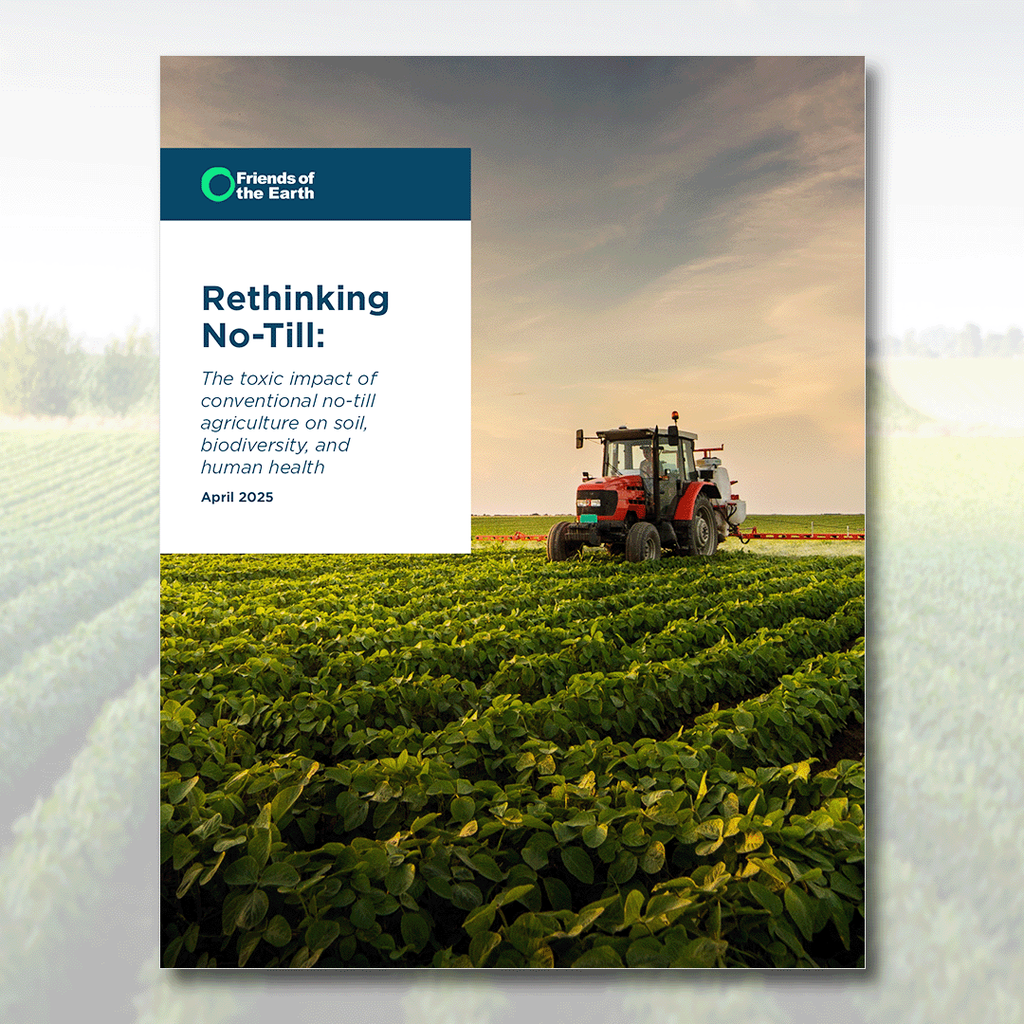
A report last year from Friends of the Earth (Rethinking No-till), showed that in the U.S. 93% of so-called “regenerative no-till” farming use pesticides and that more pesticides are used per acre on no-till “regen” farms than on average conventional farms. These “regen” no-till farms also use highly-hazardous pesticides banned in all farming in the EU. It is easy to see why no-till regen is promoted by the worlds’ largest producers of pesticides.
The authors conclude, based on a Science Brief that organic farming is a leading form of regenerative farming, delivering outcomes across climate, biodiversity, incomes and health. They recommend to policy makers, retailers and brands that they support holistic system-based regenerative approaches like regenerative organic & agroecology.
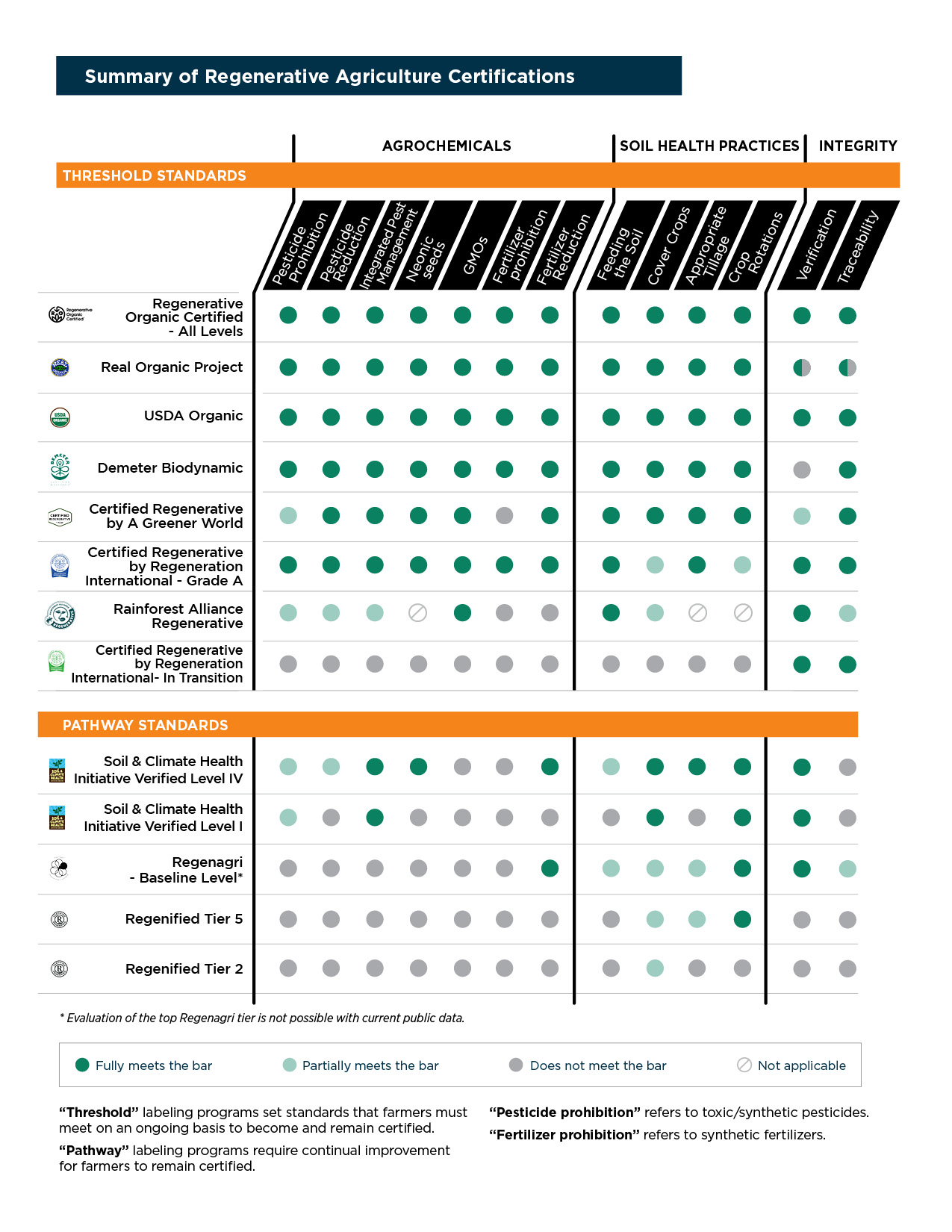
This year, a second FOE report on “regenerative” certifications, (Regenerative Food Labels: What’s behind the claim?) found widespread acceptance of agro-chemicals; weak transparency and lack of verification in regenerative certifications. While the analysis shows “regenerative organic” and organic certifications as stronger on all these issues, some “regenerative” certifications seem ready-made (or should we say Round-up-ready made?) for the corporations looking to make regen claims without real change.
We all appreciate that any use of regenerative practices –less tillage, cover crops, crop diversity, integration of pasture animals –can move conventional farming in the right direction. All small steps are welcome! But calling small steps “regenerative agriculture” and making “regenerative” claims on this basis in the market is greenwashing. A host of global NGOs, consultant firms, certifiers, investors and regen gurus have made it their mission and business model to do the necessary back-patting & partnerships that enable this. But the foxes are in the regen henhouse friends and it’s time to let out the dog & patch the fences.
It is also time for more leaders in the regenerative movement to call-out regen greenwashing. Corporate actors and enabling organizations are literally poisoning the well for serious regenerative actors.
Regenerative minimum standards?
Some regenerative actors, including some organic actors, propose minimum standards for use of “regenerative” in supermarkets. Warning retailers of dubious regenerative claims and certifications is an important task! Organic and serious regen actors can certainly agree on high standards. Yet, given the interests involved in regen at this point, one can wonder how high the bar would be for regen minimum standards that brands and retailers can agree upon. The result could legitimize and promote light weight regenerative offers in competition with organic and regenerative organic certifications. A number of (non-organic) regenerative actors also oppose regen definitions, standards and certifications as this distracts from the best of the regenerative movement: mindsets, context, craftsmanship and outcomes.
Refocusing on these elements will develop the organic movement. Many of us are inspired by new approaches to documenting outcomes, as tools for farmers and policy makers, and as supplements to guarantees of organic practices (that deliver outcomes!). We can also learn from new models for supporting farmers and brands on their way to regenerative organic, via innovative advisory systems and via the likes of Regenerative Organic Alliance’s “Journey to ROC™” (Regenerative Organic Certification).
We must walk with farmers. Organic is inspiration, craftsmanship and solidarity, not just a prescriptive path. As NZ organic pioneer Brendan Hoare says “Organic is like football. It has rules but we don’t play it because we love the rules.”
Creating more pathways to organic grows the organic tent. We have also pioneered alternatives to third-party organic certifications, like Participatory Guarantee Systems (PGS) and must redouble our work to spread these accessible approaches worldwide.
We must continue to engage processors, retailers, policy makers, regen organizations and philanthropy for dialogue on “regenerative” aims, claims and initiatives.
And the best defense is also a good offense. We must get on the offensive ourselves, working with policy makers and market actors to grow organics, and strengthening our organic associations capacity to drive change in policy and the market.
Any organic actor can help!
There are many efforts that serious regenerative and organic actors can contribute to:
Share the IFOAM statement on regenerative agriculture with colleagues, allies and regenerative thought leaders via newsletters, mail or social media. Share your concern about greenwashing, citing the Friends of the Earth and FAIRR reports.
Drop some key messages into webinars and panel discussions that you participate in.
Start a dialogue with serious regenerative actors on shared goals and actions .
Call out corporate regen greenwashing and regen certifications with “open bar” on pesticides.
Get regenerative greenwashing on the radar of consumer authorities and consumer groups.
Remind policy makers that “regenerative” can mean virtually anything, unlike organic. Bring joint proposals with serious regen actors.
Sensitize processor and retail contacts to the reputational risk involved in promoting ill-defined regenerative claims or weak regen certifications and reiterate for them the solidity of organic certifications as a platform for a strong sustainability profile and messaging.
Confront the “Regen is beyond organic” narrative where you meet it. This is always based on an (unfair) comparison of organic minimum standards and regenerative principles and aspirations. At the level of principles, all regen principles are covered by the international organic principles of health, ecology, fairness and care.
And avoid sectarianism in our own ranks with phrases like “It’s only regenerative if it’s organic” as we know there are some serious regen actors doing great work.
Finally, we must communicate with heart and optimism. Aspirational communication about what organics is “yes” to (not just “no”). There are many organic brands breaking new ground here, like Yeo Valley Organic (UK) and the many brands active in ROA, which itself shows the way with “Farm like the world depends on it” and “Heal the Earth. Nourish your Life.”
Be inspired by the Swahili term for organic farming: “Living Agriculture.” That’s what we all dream of and work for. One of the regenerative movements’ positive outcomes may be the awakening of more organic actors to our regenerative principles, and making the organic movement give voice to its own long held regenerative aspirations!
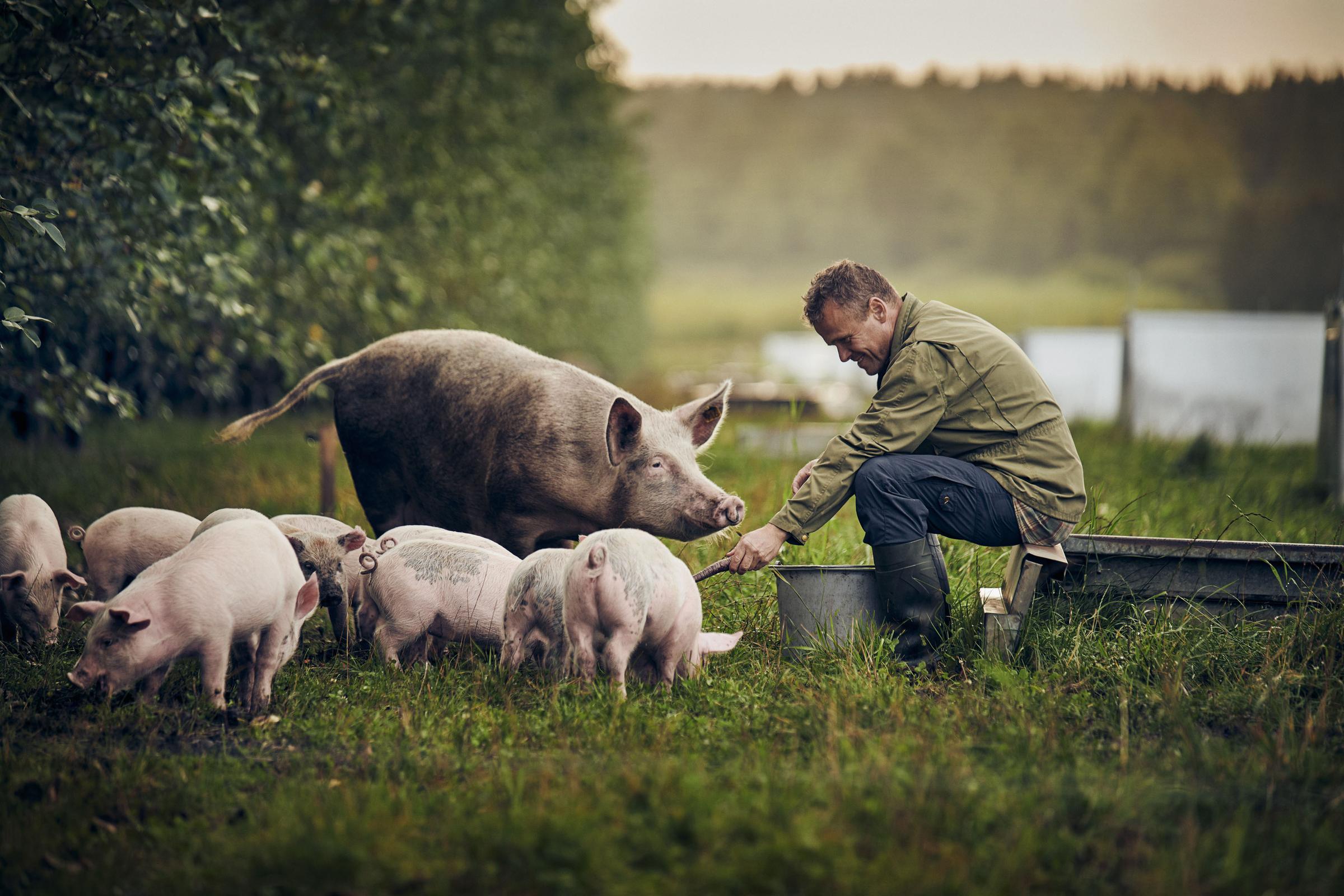
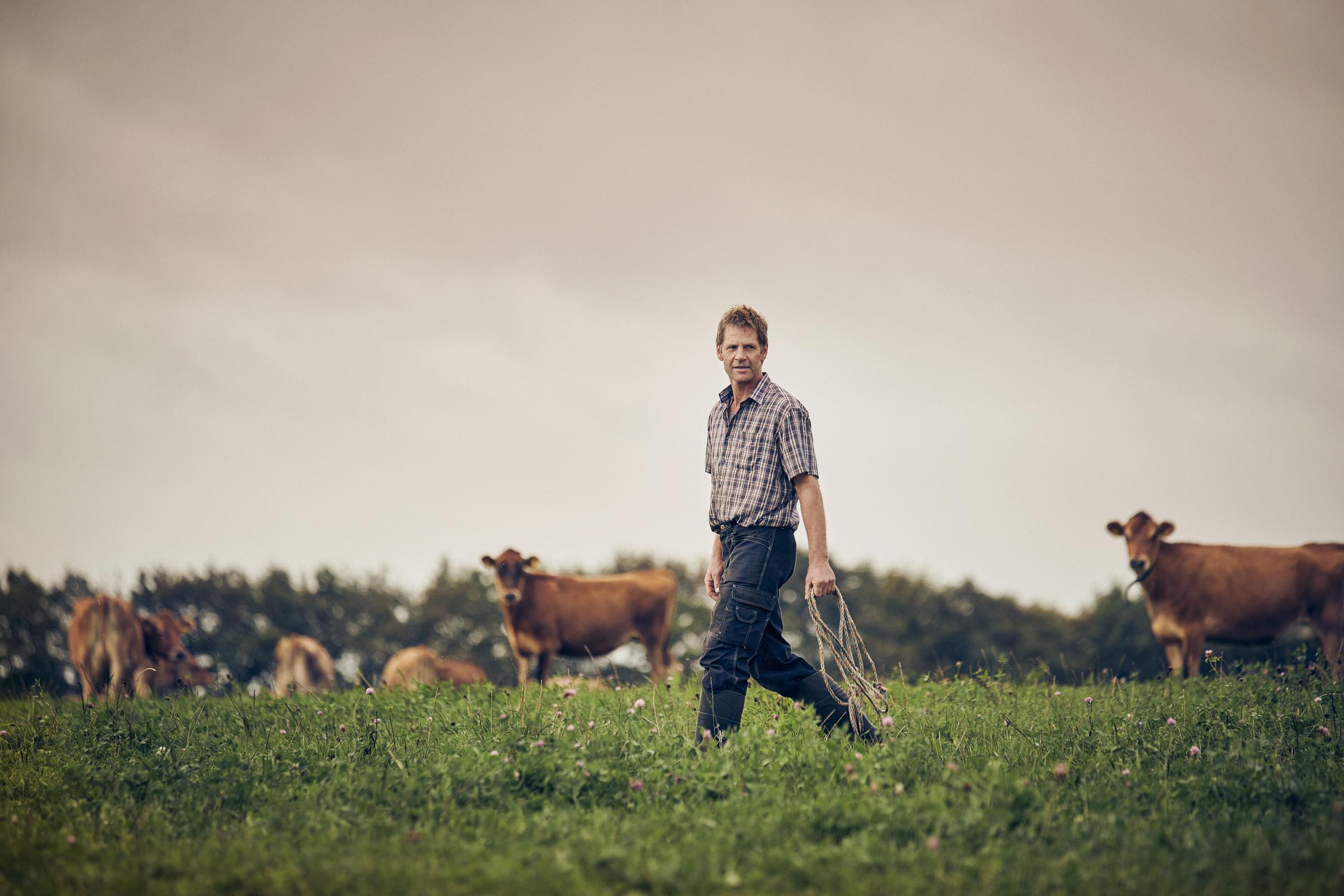
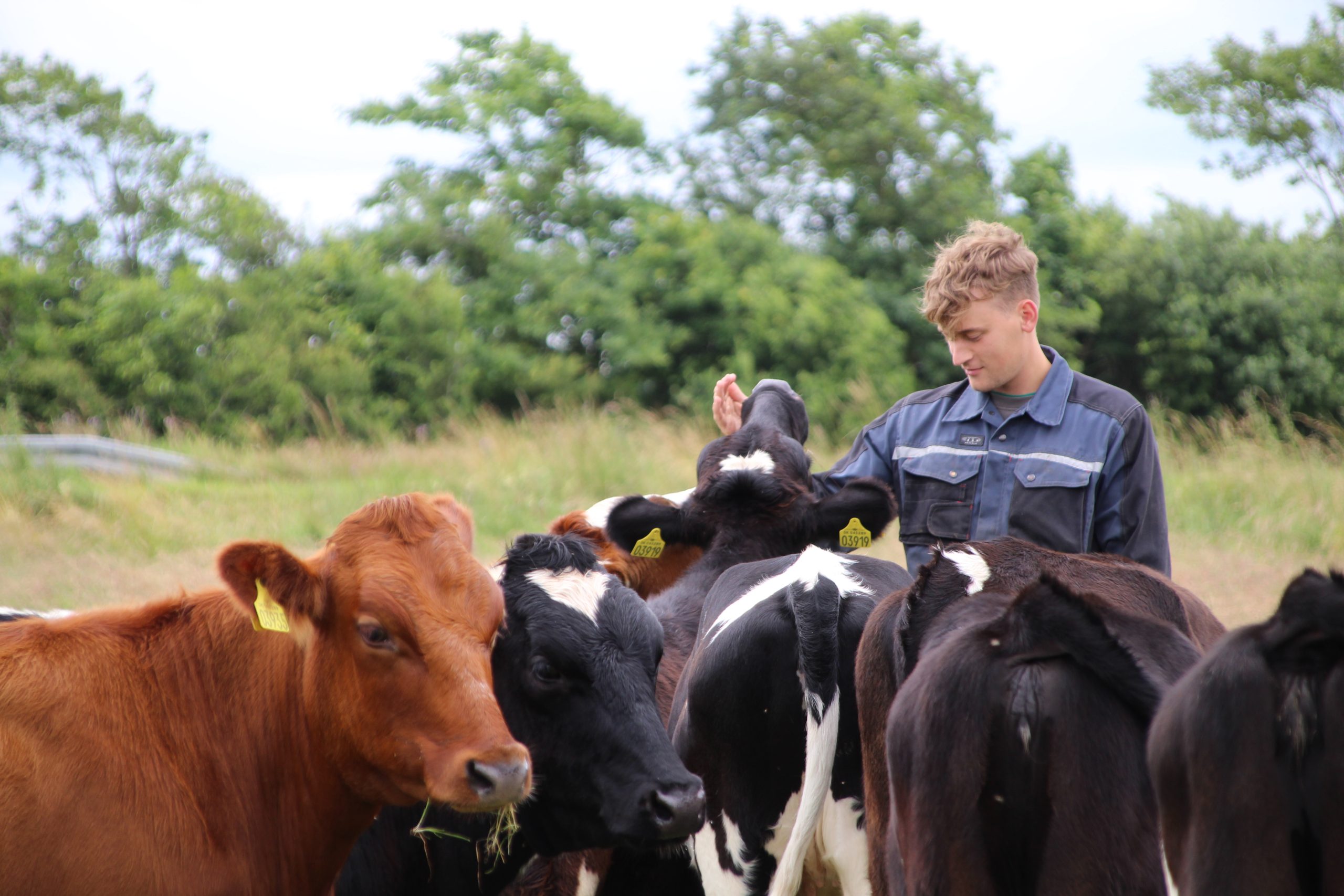
Coop Denmark and Thise Dairy/Coop Denmark and Hestbjerg/Naturmaelk
Arla Foods/Organis is regenerative/Friends of the Earth/Summary of Regenerative Agriculture Certifications/FAIRR
Paul Holmbeck, former Director in Organic Denmark, played a leading role for 25 years in Denmark’s dynamic policy and market development for organic food and farming. He is now Director of Holmbeck EcoConsult, advising leaders in governments, organizations and business worldwide in policy and market development for organics and agroecology. He has been a member of the IFOAM Organics International World Board since 2021.