From Paraguay, a regional agenda for stronger organic systems in the Americas
By Juan Manuel Gamez, Executive Secretariat of the Inter-American Commission for Organic Agriculture (CIAO/IICA)
The 17th General Assembly of the Inter-American Commission for Organic Agriculture brought governments, regulators and the organic sector together around a common challenge: how to strengthen integrity while navigating increasingly complex regulatory and market conditions.
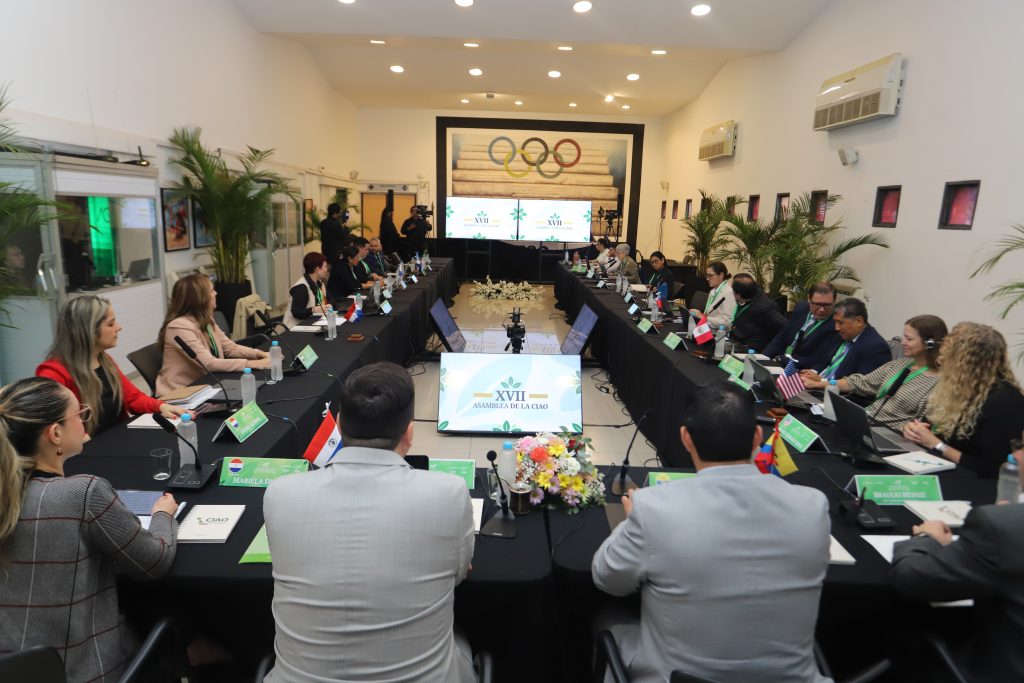
For four days in early September, Paraguay became a regional meeting point for organic agriculture, bringing together public authorities from across the Americas, international regulators, researchers, producers and private-sector organisations.
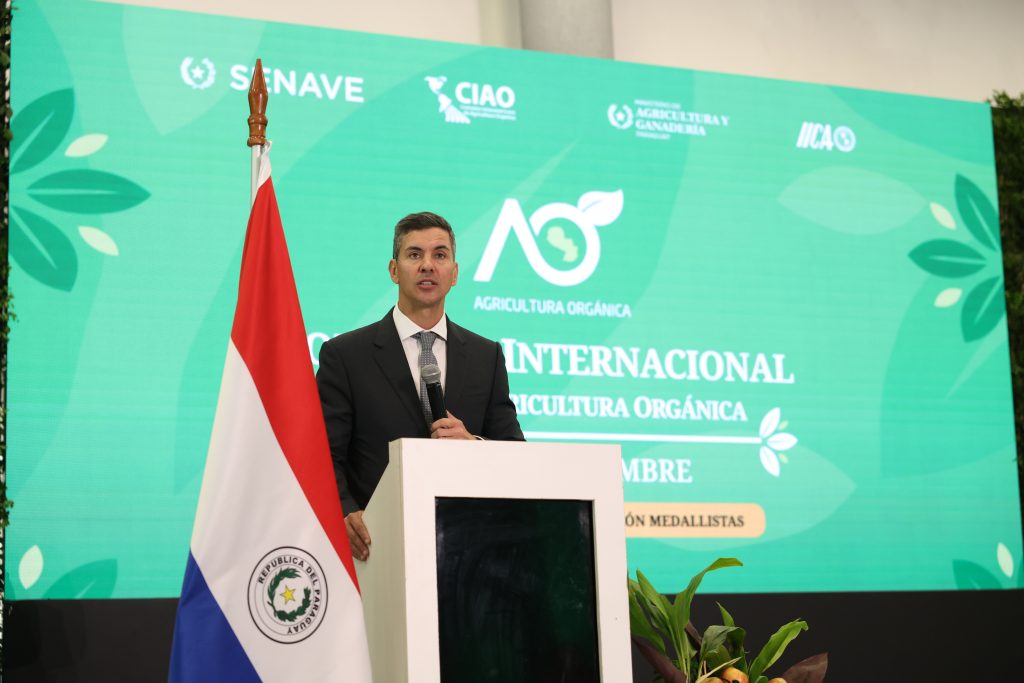
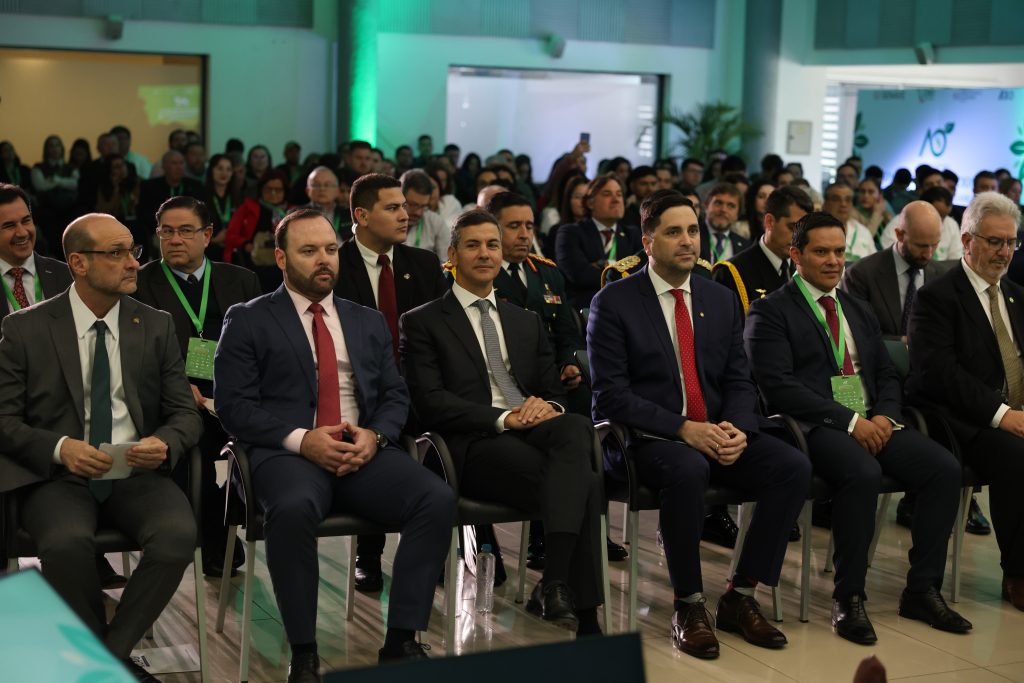
The week also gave organic agriculture unusual political visibility. The President of Paraguay, Santiago Peña, joined the official opening of the International Congress and Organic Expo, alongside the country’s agricultural authorities, IICA and CIAO representatives.
From September the 1st to the 4th (2026), the programme combined the 17th CIAO General Assembly, two days of an International Congress and Organic Expo, and a technical field tour of organic production and processing initiatives.
What emerged from the week was more than a series of institutional meetings. It was a picture of a regional organic sector facing a new stage of development: larger, more connected to international markets, and increasingly exposed to regulatory complexity, integrity requirements and rapid technological change.
For CIAO, which brings together public authorities responsible for organic control and promotion across the Americas, these questions are becoming central to regional cooperation.
From harmonisation to regulatory convergence
One of the most substantive discussions of the Assembly concerned the possibility of greater regulatory convergence among CIAO countries.
Earlier in 2026, fifteen countries had participated in an exploratory regional consultation. The results showed strong interest in closer cooperation: 14 of the 15 responses identified trade facilitation and market access as potential benefits, while the same number highlighted stronger international negotiating capacity. At the same time, 12 countries identified regulatory and institutional heterogeneity as a major obstacle.
The conclusion was deliberately cautious.
The discussion is not about creating a single organic regulation for Latin America and the Caribbean. National regulatory systems reflect different institutional structures, production realities and policy choices. Instead, CIAO countries agreed to move toward a more systematic technical comparison of their systems and to identify areas where convergence may be practical.
This distinction is important. Comparing the wording of organic regulations is relatively straightforward. Demonstrating that control systems provide equivalent levels of assurance is much more complex.
Certification procedures, risk assessment, supervision of certification bodies, group certification, internal control systems, traceability, residue management and enforcement all influence the credibility of an organic guarantee.
The Assembly therefore endorsed the continuation of this work through a technical roadmap incorporated into CIAO’s 2027 work programme.
Integrity is becoming a regional policy issue
The discussions in Paraguay also reflected a broader change in the organic agenda.
For many years, cooperation among countries naturally concentrated on developing organic regulations and building national certification systems. Those tasks remain essential, but the conversation is increasingly shifting toward how those systems perform in practice.
Traceability, risk-based controls, residues, certification of producer groups, participatory guarantee systems, fraud prevention and the exchange of information among authorities are now recurring issues.
These priorities are also closely linked to developments in major export markets.
The implementation of Regulation (EU) 2018/848, the United States’ Strengthening Organic Enforcement rule and evolving Canadian requirements are changing the conditions under which exporters and control systems operate. CIAO’s 2027 work programme therefore includes a regulatory intelligence component focused on developments in the European Union, United States and Canada, together with a rapid consultation mechanism when regulatory measures affect countries or products from the region.
The intention is not merely to react to problems once they reach the border. It is to improve the region’s capacity to anticipate them.
New breeding techniques enter the organic debate
Another issue introduced during the Assembly was the emergence of New Breeding Techniques (NBTs), also referred to as New Genomic Techniques, in seeds, propagation material and potentially other inputs relevant to organic production.
The discussion focused less on the broader debate over biotechnology itself than on a practical control question:
How can an organic operator or certifier exclude a technology if its use cannot be readily identified through documentation or supply-chain information?
The presentation highlighted concerns around identification, declaration and verification of materials obtained through NBTs and argued that effective exclusion from organic supply chains depends on reliable documentary information.
The issue illustrates a challenge that organic control systems are likely to face more frequently: technological innovation can advance faster than regulatory identification, labelling and verification mechanisms.
The Assembly considered the subject relevant for further regional work and agreed that it should form part of CIAO’s future agenda.
For organic systems, the question is ultimately one of verifiability. Standards can prohibit a method, but effective implementation depends on the ability of operators, inspectors and authorities to identify whether it has been used.
A Congress connecting regulation, production and markets
The Assembly was followed by two days of the International Congress and Organic Expo of Paraguay, which broadened the discussion beyond government authorities and brought together producers, researchers, certification specialists, international organisations and private-sector actors.
The programme covered issues directly connected with the future of organic integrity and market access: the situation of organic production in the Americas and Europe, implementation of the USDA National Organic Program’s Strengthening Organic Enforcement rule, adaptation to European regulation, participatory guarantee systems, research, biological inputs, inspection and official control, value chains and market development.
The presence of specialists from the European Union, USDA, Ecovalia, CATIE and public authorities from across the region reflected the increasingly international nature of these challenges.
But the Congress also had a strong national dimension.
The participation of President Santiago Peña in the official opening, together with Paraguay’s Minister of Agriculture and Livestock, the President of SENAVE, IICA and CIAO representatives, gave the organic sector a level of political visibility that is still relatively uncommon in the region.
It also placed the discussion in a broader development context: organic agriculture was presented not only as a certification or export issue, but as part of a conversation about sustainable production, value addition, agricultural research, family farming and market opportunities.
Connecting the Americas with Europe, the United States and Asia
International cooperation was another strong theme in Paraguay.
The Congress programme itself illustrated this international dimension, while the Assembly also approved the proposed cooperation framework between CIAO and IFOAM Organics Asia, building on exchanges developed in 2025 and 2026. The proposed cooperation encompasses regulation, markets, innovation, training and information exchange between the Americas and Asia.
This reflects a broader strategy.
Organic agriculture is increasingly shaped by interactions between regional regulatory systems, international supply chains and global networks of certification and standard-setting. For the Americas, maintaining dialogue with Europe and North America remains critical, but Asia is becoming an increasingly important part of that landscape.
For CIAO, these relationships provide opportunities for regulatory dialogue, technical training, market information and cooperation on certification and integrity.
From international discussions to the field
The week concluded away from the conference room.
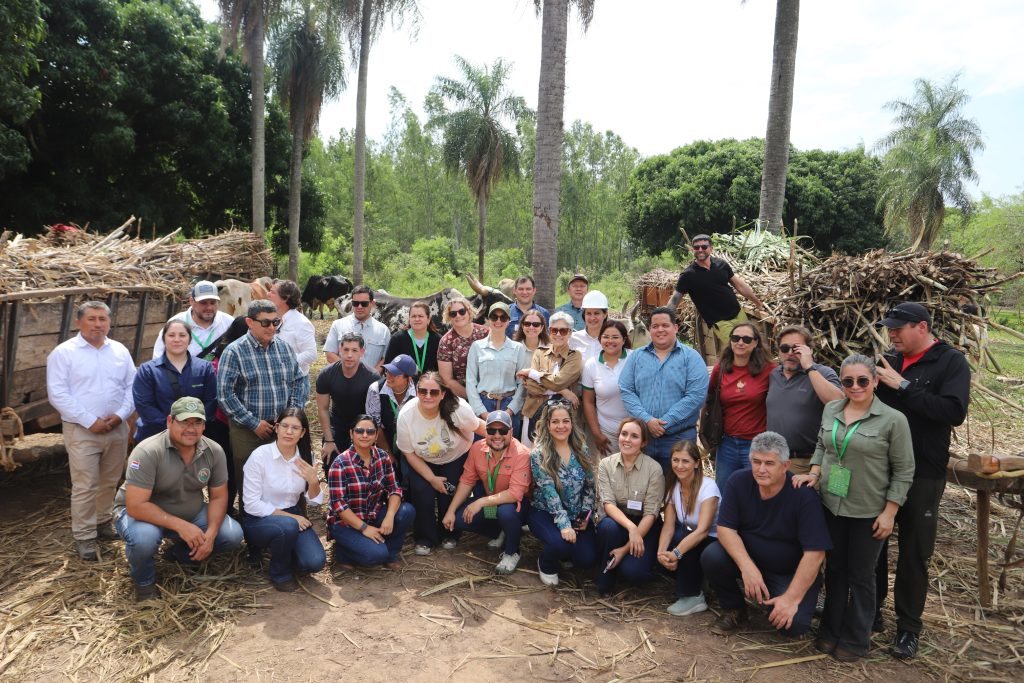
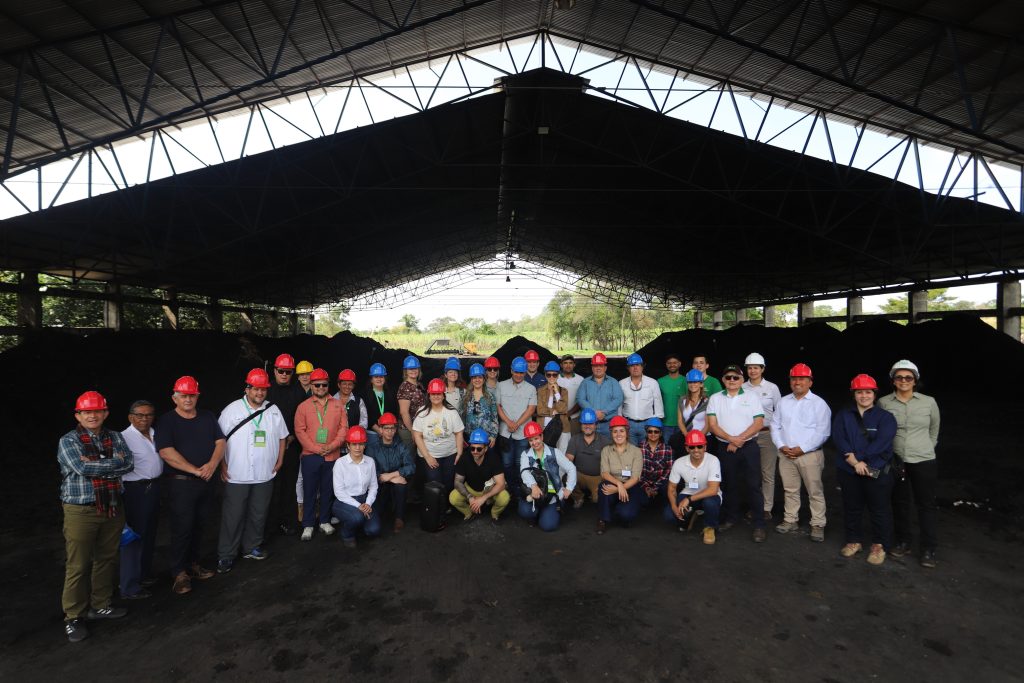
Participants first visited the Manduvirá Cooperative and sugar mill in Arroyos y Esteros. The programme included its industrial facilities, organic fertiliser plant and soil and microbiology laboratory, providing a practical view of an integrated production, processing and quality-control system.
The delegation then travelled to Itauguá to learn about the work of the Association of Organic Producers, APRO, including organic fruit and vegetable production, processing activities and local commercialisation.
The visits provided a useful counterpoint to the regulatory discussions of the previous days.
Integrity may be discussed through regulations, certification schemes and control procedures, but it ultimately depends on systems that must work at farm, producer-group, processor, certifier and authority level.
CIAO governance updates from Paraguay
The 17th CIAO General Assembly also marked an institutional transition for the Commission.
Honduras was elected President of the CIAO Board of Directors by acclamation, following the presentation of a single candidacy.
The Assembly also selected Panama as host country for the 18th CIAO General Assembly in 2027, following a vote between Panama and Guatemala. Panama received 14 votes and Guatemala 2.
Both decisions took place as CIAO begins implementing its updated institutional framework and preparing the next cycle of regional cooperation.
The Assembly also reviewed the 2021–2026 cooperation cycle between IICA and CIAO and discussed the framework for the next period, with particular emphasis on strengthening national control systems, regulatory cooperation, traceability, certification and international partnerships.
The next stage: cooperation around functioning systems
Perhaps the clearest message from Paraguay was that organic cooperation in the Americas is moving beyond the question of whether countries have organic regulations.
The next questions are harder.
How well do control systems work? How can authorities exchange information more effectively? How can equivalence and convergence reduce unnecessary duplication without weakening guarantees? How can new technologies be addressed before they generate integrity problems? And how can small producers remain part of increasingly demanding organic supply chains?
CIAO’s 2027 agenda reflects those questions, with work planned on regulatory convergence, certification and control systems, regulatory intelligence, bioinputs, internal markets, international cooperation and knowledge management.
There will be no single solution for countries with very different agricultural and institutional realities.
But Paraguay demonstrated something equally important: there is significant value in creating a permanent space where public organic authorities can compare systems, identify common risks and build solutions together.
For the organic sector, regional cooperation and organic integrity are increasingly becoming two sides of the same challenge.