TOS INTERVIEW – IOAS MOVES INTO REGENERATIVE AGRICULTURE
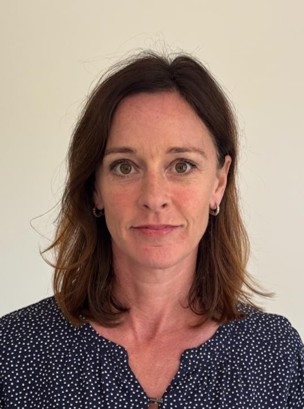
IOAS is well-known as a non-profit organisation providing independent accreditation and assurance services for organic and sustainability claims on an international scale. With nearly 30 years of experience, it supports certification bodies, scheme owners, and other stakeholders by assessing competence, strengthening integrity, and helping build trust in certification systems across a range of sectors. The organisation recently announced that they have granted their first accreditation to a CB with scope of regenerative agriculture. The US-based CB A Greener World extended their current ISO/IEC 17065 accreditation to include their own standard ‘Certified Regenerative by AGW’. TOS interviewed Lauren Carlyle, IOAS Executive Director, on this development.
TOS: Why is IOAS offering accreditation for regenerative agriculture now?
LC: IOAS is responding to growing interest in regenerative agriculture from producers, brands, retailers, and investors. As many regenerative claims continue to emerge, we see a greater need for credible and independent assurance to support confidence in the market.
TOS: What market need does this accreditation address?
LC: Independent oversight or accreditation provides a 3rd party assurance mechanism that verifies the competence, impartiality and consistency of the certification system itself – ie. whether it is operating in line with recognised international standards in a robust and reliable way.
This assurance gives scheme owners and certification bodies a basis to demonstrate credibility, ultimately strengthening trust and stakeholder confidence in regenerative claims. As regenerative agriculture and related claims proliferate, independent assurance plays an important role in helping robust, well-governed systems stand out and build credibility in the market.
TOS: IOAS has expanded beyond its organic origins for a number of years. What is driving the broader role of assurance across emerging sustainability sectors, such as regenerative?
LC: Organic remains at the core of IOAS’s work, but for many years we have supported accreditation and conformity assessment across a range of sustainability standards, such as textiles, cosmetics and recycling. Our expansion into regenerative agriculture is a natural progression, and we continue to support credible standards that align closely with, or provide a credible pathway towards, organic principles and practices.
What is driving this broader role is the rapid growth of sustainability claims alongside increasing expectations for them to be credible and verifiable. Regulators, businesses, investors and consumers are all demanding greater transparency and accountability. Accreditation of CBs providing certification of organic production has set the benchmark for credible certification and assurance, and there is a growing expectation that other sustainability claims—from regenerative agriculture to recycling and textiles—will be underpinned by similarly independent and robust certification and accreditation systems. IOAS’s role is to help ensure those systems deliver confidence and integrity.

TOS: Why is accreditation important in an emerging area like regenerative agriculture?
LC: Regenerative agriculture is still evolving, with different definitions and frameworks in use which results in uncertainty and confusion. Accreditation helps bring consistency and third-party trusted oversight, reducing the risk of weak claims or uneven interpretation and strengthening trust across the sector.
TOS: What wider value can IOAS bring to the regenerative agriculture space?
LC: IOAS can help professionalise the regenerative agriculture sector by strengthening the quality of audits, certification decisions, and governance systems. This, in turn, can support greater international recognition of regenerative claims and build confidence throughout supply chains. Many of our accredited certification bodies value the deep expertise of IOAS assessors and support teams and regularly tell us that they gain valuable insights from our assessments. IOAS accreditation provides robust oversight and accountability, ensuring that deficiencies are addressed when identified. At the same time, our core mission is to support the growth and credibility of organic and sustainable agriculture worldwide.
TOS: How does this connect to broader sustainability priorities?
LC: Regenerative agriculture is increasingly associated with soil health, biodiversity, climate resilience, water stewardship, and carbon outcomes. By accrediting in this area, IOAS can support assurance systems that align with these broader environmental goals. In the same way that there have existed many organic standards, regulations and private, there will probably remain variations on the theme of regenerative agriculture. All can contribute to better agriculture and livelihoods. Reliable and trusted implementation of standards and certification systems is at least as important as the standards themselves.
TOS: What is your key message?
LC: IOAS is offering accreditation and oversight for regenerative agriculture because the sector needs trusted, independent assurance to support credible claims and stronger consistency as it develops. We hope and anticipate that other regenerative agriculture schemes and CBs will call for IOAS oversight to prove themselves as credible and verifiable against international standards of conformity assessment.
Keep up to date with news from IOAS.